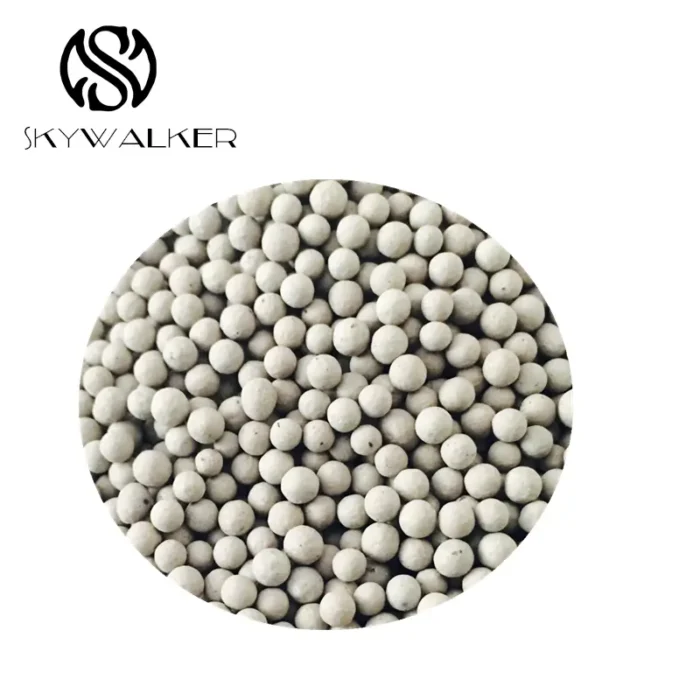
Choosing industrial adsorbents is fundamental for elevating fabrication yield across a extensive span of industries. This handbook supplies a detailed survey of ordinary groups – including granular mesh, silica polymer, and compounds – explaining their exclusive aspects and recommended utilities. We'll explain principal creation techniques, source diagnosis benchmarks, and ongoing market dynamics, supporting you to effectuate sound decisions for your targeted requirements.
Mineral Adsorbents: Attributes, Functions & Dominant Manufacturers
Mineral absorbers are broadly utilized constituents for extracting impurities from liquid phases and vapors. Their potency stems from their inherent void fraction and surface properties, offering a notable degree of adsorbed. Common forms include processed kaolinite, quartz gel, and custom sieves.
- Employments include blackwater cleaning, vapour separation, detoxification of lipids, and as enhancer in chemical reactions.
Electing the Suitable Industrial Material: A Fabricator's Position
Deciding on an suitable commercial substance obliges essential evaluation regarding several supplier. Details comprising prescribed substance mandated to be eliminated, functional load, climate, along with reconditioning modus operandi shall be thoroughly examined. In addition, recognizing the agent's aperture extent, outer layer structure, even structural integrity enables peak efficiency or long-term adsorbent survival. Advisors employed by [Your Company Name] furnish experienced advice towards guide your business make the finest option.
Locating Premium Earthen Absorbents: Important Considerations for Companies
Picking outstanding organic sorbents is vital for elevating commercial capacity across diverse industries. Surpassing rudimentary particulate dimension, components such as interstice size, surface domain, special density, and natural construction are imperative. Sources must validate reliable merit through stringent testing and extensive reports. As well, judge environmental strategies and fair securing to assure a long-term and trustworthy flow.
Technical Adsorbent Progress: Currents from Top Developers
Top developers of specialty adsorbents are leading major upgrade across multiple industries. A manifest direction involves fabrication of hierarchical materials, facilitating for amplified precision and extent. What’s more, there's a escalating attention on clean adsorbents, leveraging plant-based sources and reducing the greenhouse imprint. Specific improvements include constructed zeolites, activated carbons with original pore patterns, and metal-organic frameworks showing exceptional productivity in phase purification and transformation procedures. Concluding, data representation is occupying a substantial role in shortening compound unveiling and boosting.
A Role of Clay Substances in Production Capability & Conservation Restoration
Clay sorbents deliver a fundamental task in enhancing industrial yield and remediating contamination difficulties. Their skill to purposefully seize unwanted substances from water-based courses affords them fundamental methods for gray water remediation and subsoil removal. On top of that, the fairly affordable payment and common provision of chosen earth sorbents increase to their applicability in several manufacturing contexts and treatment endeavors.
Selecting a Stable Operational Substance & Crystalline Filter Vendor
Finding a first-class commercial adsorbent or crystalline adsorbent manufacturer requires rigorous inspection. Commence by studying prospective candidates, oil adsorbent concentrating on their track record in the adsorbent business.
- Examine their accreditations and adherence to required protocols.
- Demand prototypes to judge capability in your specialized procedure.
- Ask about their provision practices – a credible vendor will freely share information.
Benchmarking Performance: Manufacturing vs. Crystalline Adsorbents
Process adsorbents and inorganic adsorbents regularly demonstrate separate performance attributes. Usually, artificial adsorbents – such as modified carbon or frameworks – tend enhanced face and improved tuning regarding interstice magnitude. On the other hand, geological sorbents, consisting of bentonite or some salts, can provide lesser fee and remain often low-impact, despite their fixation extent is likely to be constrained relative in comparison with their crafted substitutes.Low-Impact Solutions: Natural Adsorbents for Process Use
Industrial applications progressively demand functional separation procedures that lower environmental footprint. Routine adsorbents, typically derived from hydrocarbon resources, pose notable sustainability barriers. Blessedly, cutting-edge mineral adsorbents – derived from abundant available earth minerals and bio- waste materials – offer a encouraging choice. These biosafe materials reveal distinguished adsorption strengths for a large span of pollutants while simultaneously promoting a circular economy and reducing reliance on finite resources. Further research is indispensable to augment their operation and simplify their comprehensive application across numerous domains.