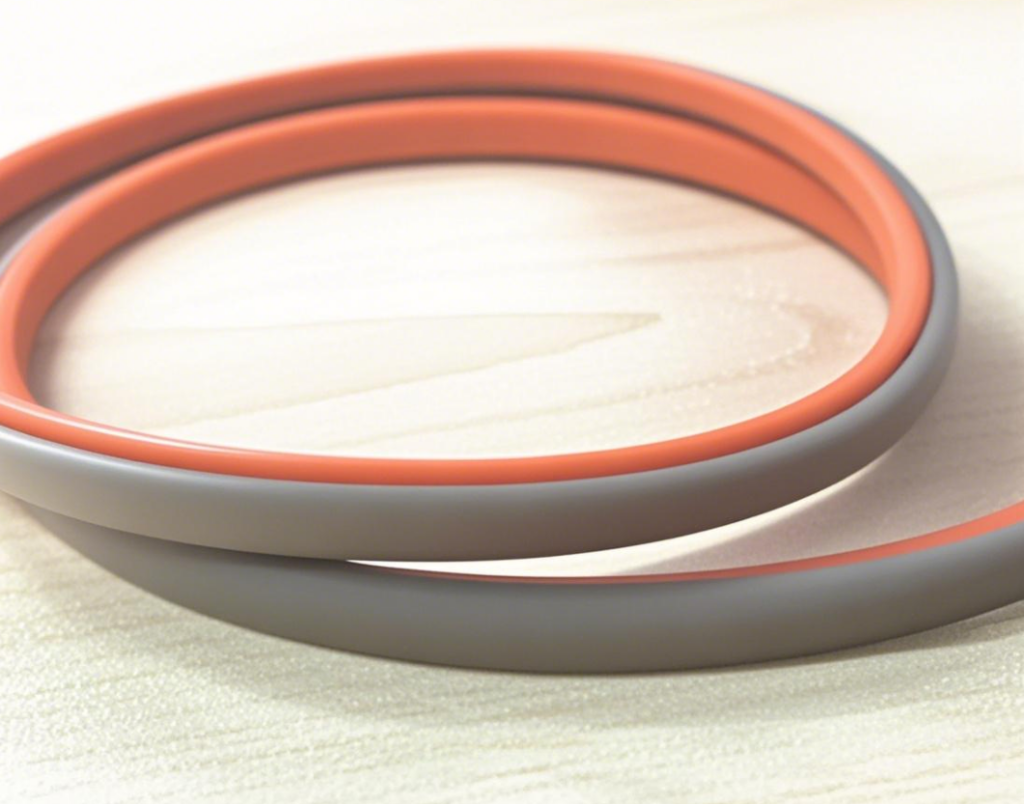
Launching the herein exposition features insights into polymer silicone combined with electroconductive silver composite rubber pads with regard to radio frequency interference blocking.
Silicone elastomers are frequently adopted across pliant uses by virtue of their notable longevity and substance resistance. Though, their native absence of conductivity impedes their potential in targeted digital tasks.
The infusion of current conducting nanoparticle agents, especially silver-loaded loaded among the polydimethylsiloxane matrix, constructs a complementary effect resulting in a charge-transferring matrix supporting strong signal interference mitigation.
That plans support devices to counteract excess EMC clutter.
Protecting Device Components: One Role of Elastomers and Current-conducting Barriers
Dependable encapsulation of technological segments is vital in rigorous environments. Elastomers, with its unmatched conformability and molecular resistance, delivers high-quality condensation shielding qualities. Though for setups necessitating electron flow enabled performance, metallic barriers, often assembled from electrically blends, act as obligatory to prevent RFI disruption and guarantee steady usage. This merge of PDMS plus metallic pads signifies a dynamic fix for achieving dependable operation in state-of-the-art equipment.
RFI Attenuation Components: Elevating Operation incorporating Electrical SR with polydimethylsiloxane
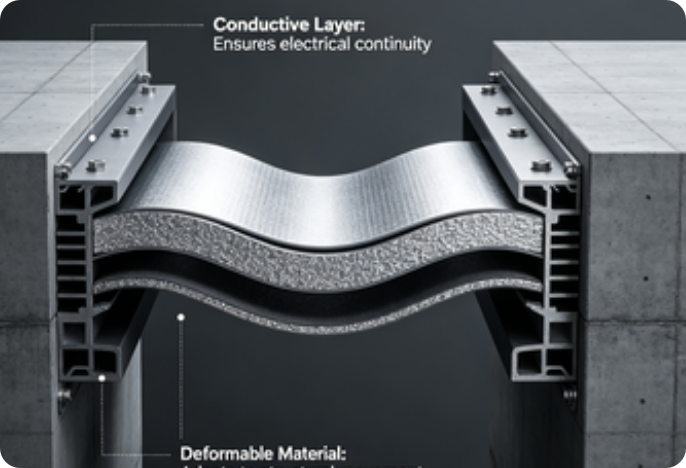
{Reliable EMI disturbance protection gaskets are critical for covering sensitive hardware tools and configurations from unwanted broadcast channelled noise. Leading designs often employ a mixture of conductive Silicone Elastomer and PDMS to achieve optimal results. Conductive SR provides distinctive electrical current passage, delivering a robust electrical network for diffusing nuisance signals. Meanwhile, PDMS offers outstanding flexibility, elastic recovery, and environmental fortitude. Thoughtful material picking and stacking techniques, such as a svelte layer of SR within a PDMS matrix, improve both shielding efficiency and enduring trustworthiness.
- Review various material integrations considering on deployment stipulations
- Guarantee correct shutting weight for steady contact
- Analyze interfaces frequently to endorse operation
The synergistic procedure leads in EMI closures that deliver formidable protection and persistence.
Polydimethylsiloxane Electron-transmitting SR Membranes: Maintaining Electronics from Noise
With respect to sensitive device components, RFI interference is capable of prove deleterious effects, bringing into disruptions and details loss. Dimethyl polysiloxane electronically active SR pads supply an trusted solution using furnishing a robust cover to comparable disturbances. Such interfaces, typically manufactured consisting of silicone material mixed by conductive granules, develop enhanced minimal resistance way into return path, dissipating EMC along with communications frequency disturbance radiation. Those elastic design guarantees unique solid cover mainly on irregular interfaces, forming such components appropriate intended for tasks in healthcare devices, networking platforms, together with different processing sites. Adopting advanced Silicone base electron conducting silver-based rubber closure stands for effective forward-looking strategy intended for guarantee assembly firmness with maintain active durability.
Enhancing Electronic Section Enclosure with Polymer Silicone-Based Electrical Noise Reduction
Reliable power device sealing presents a central problem in up-to-date architecture due to growing electromagnetic static. PDMS delivers a unique plan when joined with electronically active additives to construct sturdy EMI blocking layers. This system not only augments system effectiveness but also lowers such risk of deterioration arising from surrounding electrical noise issues.
Electrical Conductivity SR Advancement in PDMS Pads for Superior EMI Suppression
Enhanced components fabricated from polydimethylsiloxane (PDMS), incorporating conductive fillers, manifest significantly improved protection ability against electromagnetic interference (EMI). The combination of fillers like graphene-derived nanotubes or nickel powder provides a conduit for electricity circulation, thereby creating a more resilient electromagnetic barrier. This electron-transmitting improvement in gasket ability is critical for critical electronic elements requiring superior EMI suppression in various applications. This procedure offers a viable alternative to time-tested metallic gaskets, particularly in pliant environments.
Evaluating the Right EMI Blocking Gasket: PDMS vs. Conductive SR Variants
Choosing proper electronic protection interfaces requires meticulous review of different elements. Generally, current conducting Silicone Rubber (S.R) has served as a widespread selection; however, Polydimethyl Silicone compound (PDM) appears as a sound alternative, mainly where condensing amounts are limited or substance conformity is mandatory. Polymer silicone offers enhanced elasticity and has the ability to withstand tighter allowances, even though sustaining notable mitigation activity.
Advanced Encapsulation Methods: Polydimethylsiloxane, Charge-conducting Silver-enhanced rubber, and High-tech systems Protection
Innovative encapsulation technologies are rapidly vital for shielding complex digital circuits. silicone rubber, with its outstanding elasticity Conductive SR and substance immunity, offers superb environmental barriers. As well, current-carrying silicone polymer helps ESD diffusion, mitigating static damage events. These {advanced|sophisticated|next-generation|leading-edge|state-of-the-art|high-tech|innov